Maximizing Agricultural Productivity with Expert Farming Equipment Solutions and Understanding Moisture Content in Cereals
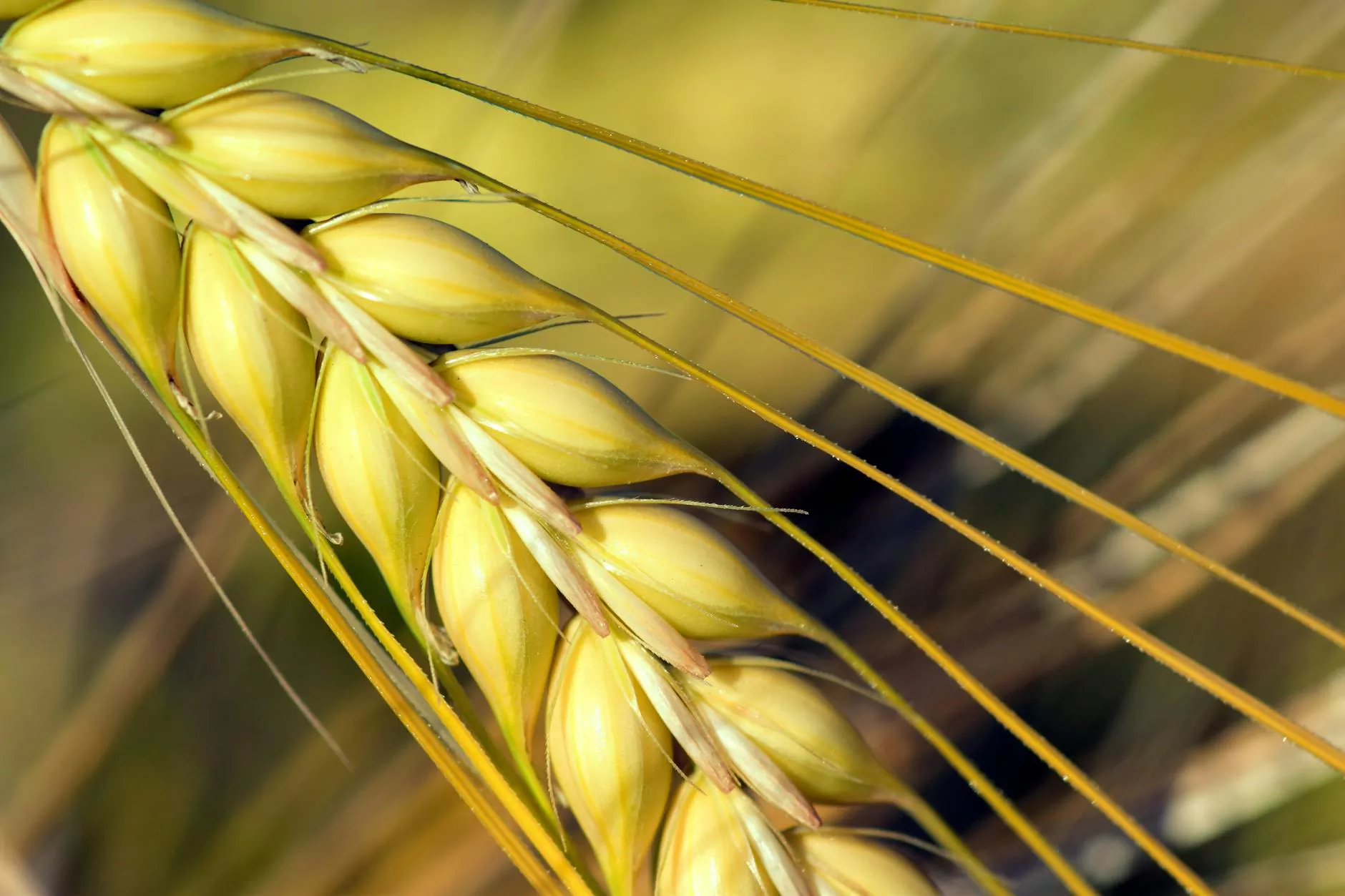
In the dynamic world of agriculture, the synergy between advanced farming equipment and an in-depth understanding of cereal characteristics such as moisture content in cereals is crucial for optimizing crop yield, quality, and profitability. As a leading provider in the industry, TSGC Inc. specializes in top-tier farm equipment repair and supply, ensuring farmers are equipped with the best tools and knowledge to excel in their field.
Understanding the Role of Modern Farming Equipment in Enhancing Productivity
Modern agriculture relies heavily on sophisticated machinery designed to increase efficiency, reduce labor costs, and improve crop management. The vital categories of farming equipment include harvesters, seeders, tractors, irrigation systems, and post-harvest storage units. Proper maintenance and timely repair of these machines are essential for their optimal performance, directly impacting overall crop output.
The Significance of Equipment Repair and Maintenance
- Reduces Downtime: Regular repairs prevent unexpected breakdowns during critical planting or harvest periods.
- Maintains Efficiency: Well-maintained machinery ensures optimal fuel consumption and power output.
- Extends Equipment Lifespan: Routine repairs protect your investments and reduce long-term operating costs.
- Ensures Safety: Properly functioning equipment minimizes risks to operators and farm workers.
At TSGC Inc., our expertise in farm equipment repair includes diagnostics, part replacement, and full-scale maintenance of all major brands and machinery types. Investing in quality repair services translates into higher yields and improved farm economics.
Key Farming Equipment Essential for Modern Agriculture
1. Tractors: The Backbone of Modern Farms
Tractors are the most versatile and vital machinery in agriculture. They provide the power necessary for plowing, planting, and hauling. Advanced tractors now feature GPS technology, auto-steer systems, and fuel-efficient engines that amplify productivity and reduce environmental impact.
2. Harvesters and Combine Machines
Harvesting machinery like combines streamline the collection of cereals, grains, and other crops. The efficiency of these machines directly influences the quality of the harvest and the. moisture content in cereals. Properly calibrated harvesters help minimize crop damage, loss, and ensure optimal drying processes.
3. Seeders and Planters
Precision in seed planting ensures even crop emergence and maximizes land use. Modern seeders integrate seed depth control, spacing accuracy, and soil condition sensors that contribute to better crop uniformity and yield quality.
4. Irrigation and Water Management Systems
Efficient irrigation technology ensures crops receive the right amount of water at the right growth stages, which is critical for maintaining moisture content in cereals and preventing issues like mold, sprouting, or grain deterioration.
5. Post-Harvest Equipment and Storage Solutions
Proper handling, drying, and storage are crucial for maintaining grain quality. Modern grain dryers and silos are designed to regulate moisture content in cereals and prevent spoilage, pests, and fungal growth.
Optimizing Moisture Content in Cereals: Why It Matters
The moisture content in cereals is a fundamental factor influencing grain quality, storability, and market value. It is a measure of the amount of water present in the grain, typically expressed as a percentage. Proper control of this parameter ensures cereals remain safe for storage, milling, food processing, and export while preventing losses and deterioration.
Why is Moisture Content Critical?
- Prevents Fungal Growth: Excess moisture provides a breeding ground for mold and bacteria that can spoil grains.
- Reduces Post-Harvest Losses: Proper moisture levels reduce grain cracking, sprouting, and spoilage during storage.
- Affects Marketability and Price: Grain with optimal moisture content fetches higher prices and meets export standards.
- Facilitates Efficient Drying Processes: Maintaining ideal moisture levels simplifies drying and storage operations.
Optimal Moisture Levels in Cereal Grains
The ideal moisture content in cereals varies depending on the specific grain type and intended use but generally ranges between 12-14%. For example:
- Wheat: 13-14%
- Corn: 13-15%
- Barley: 12-14%
- Oats: 12-13%
Measuring & Controlling Moisture Content
Accurate measurement of moisture content in cereals involves moisture meters, which provide real-time data. Adjustments in drying methods or storage conditions are then implemented based on these readings. Advanced monitoring systems now incorporate sensors that continuously track grain moisture, allowing for proactive management.
Best Practices for Managing Moisture Content in Cereals
- Timely Harvesting: Harvest grains at optimal moisture levels to minimize drying costs and quality loss.
- Use of Modern Drying Technologies: Implement fluidized bed dryers, rotary dryers, or infrared drying to achieve uniform moisture reduction.
- Proper Storage Conditions: Store grains in dry, cool environments with controlled humidity.
- Regular Monitoring: Employ digital sensors and moisture meters for continuous assessment during storage.
- Application of Aflatoxin Prevention Techniques: Maintain low moisture levels to prevent toxin development that compromises grain safety.
TSGC Inc.: Your Partner in Agricultural Equipment and Grain Quality Management
At TSGC Inc., we recognize that the success of your farming operation hinges on both reliable equipment and meticulous grain management. Our comprehensive solutions include:
- State-of-the-art Farm Equipment: High-performance machinery designed for durability and efficiency.
- Expert Equipment Repair & Maintenance: Ensuring continuous operation during critical planting, growing, and harvesting seasons.
- Consultation on Moisture Content Management: Providing farmers with best practices, tools, and systems for optimal cereal storage and handling.
- Tailored Solutions for Crop and Storage Challenges: From drying to storage, we help maximize grain quality and economic return.
Future Trends in Agriculture: Embracing Innovation for Better Outcomes
The agriculture industry is rapidly evolving with innovations like precision farming, IoT-connected equipment, AI-driven data analytics, and sustainable practices. These advancements enable farmers to:
- Optimize Resource Use: Water, fertilizers, and energy are used more efficiently, reducing costs and environmental impacts.
- Enhance Crop Monitoring: Real-time data helps make informed decisions regarding irrigation, fertilization, and harvesting schedules.
- Improve Grain Storage & Quality Control: Smart storage solutions monitor moisture content in cereals and other parameters automatically, preventing losses.
Conclusion: Empowering Agriculture Through Knowledge and Technology
To thrive in today’s competitive agricultural landscape, understanding the intricacies of farming equipment and crucial factors like moisture content in cereals is indispensable. Partnering with knowledgeable service providers such as TSGC Inc. ensures you have access to the best equipment, maintenance expertise, and technical advice necessary for maximizing yields, preserving grain quality, and achieving long-term farm success.
By integrating cutting-edge machinery, adopting best practices for moisture management, and embracing innovation, farmers can sustainably improve productivity and profitability while contributing to a healthier environment.